Today I was getting caught up on my reading of QST. I had gotten two issues behind for various reasons, and was browsing the November issue. In the editorial there was a quote from a popular contest logging program author implying that their software is open source. I was really puzzled by this as I know for a fact that the software isn’t open source and I re-verified on the web that the source code isn’t freely available and is only given to select people upon request. This software quite simply isn’t open source, it’s freeware.
There seems to be a lot of confusion within amateur radio over just what is open source, and I’ve even seen amateurs berate others for wanting open source software because it’s thought someone wants a free lunch or wants to copy a product. This couldn’t be further from the truth and it really shows an ignorance of the modern software world. Amateur radio collectively has never really understood or embraced open source, opting for freeware offerings since the days of DOS. Freeware software authors are often put on a pedestal in the community as selfless contributors doing a great service. Most have good intentions, but freeware is not necessarily a good thing.
Freeware is not free and is a technological dead end. Now that I’ve lost half my readers and puzzled the rest, please stick around and I’ll explain. But first, what is freeware? Freeware is software that you can install without paying any licensing fee. You can use it all you want and share it with others, but you can’t sell it, reverse engineer it, or modify it. Freeware is not open source software. You do not get the source code for freeware.
So how could freeware not be a good thing, or even a great thing? It’s written by someone, one person or perhaps a team of people, giving their time and energy to a project that they derive no income from and get only satisfaction and accolades for providing a free tool to a group of users. And, did I mention it’s free? So, we should really be thanking them and indebted to them, right? To an extent, yes, but long term they’re doing a disservice to the community.
Freeware “sits” in between commercial and open source software. It’s my belief that commercial software is more beneficial to amateur radio than freeware. With commercial software there is a motivation (revenue) to keep the product up to date and functional and not let it whither on the vine like some freeware projects have over the years. With a commercial product, the desire for revenue drives quality and responsiveness to the user community. With open source, quality drives usage and community participation. If the product is popular, but quality later suffers, the community can fork a new initiative to maintain and improve the software based on the original project’s source code. With open source there is a built-in mechanism to bypass lousy or absent code writers, or unfriendly supporters of software like we’ve sometimes seen in the freeware world.
Development of new features in the freeware world is usually at the whim of one person. This can also be said of open source software, however because the source is available, anyone with the requisite motivation and skill can modify the code and not involve the original developers at all if needed. Living within the walled garden of freeware is great until the gardener decides to stop maintaining the flowers. The same could be said of commercial software, but for better or worse money is a great motivator.
Often de facto standards develop around a piece of software. This isn’t really the case with a logging program, but there’s a least one digital mode and one messaging system that have developed proprietary standards around them. To interoperate with these standards one has to reverse engineer the standard based on the behavior of the application. In the case of a messaging system, and one that is centralized, a homogeneous software environment can fall apart when a latent bug rears its ugly head.
So what is the reason for someone to offer freeware and not open source applications? I’ve often pondered this question and can come to only one conclusion, a desire to someday go commercial with the product. With open source, the intentions of the author are quite clear and in the open. When a freeware software author refuses to open source their project for fear of it being copied and a competing product being created, they don’t quite understand that this sometimes happens in the open source world and as mentioned above, is known as a fork. It usually occurs when someone feels they can do a better job improving the software and meeting the needs of the community. Forks are often short-lived but in some cases a fork will become more popular than the parent it was spawned from and it becomes the de facto parent project. This is a risk, but ultimately it’s a better process as it results in a sort of software Darwinism. Forking is not plagiarism, as long as the original code is attributed to the original authors, and forking is an accepted practice in the open source community. Nit-picky “armchair programmers” who are often the bane of freeware authors have nothing to complain about with open source as they can improve the software themselves or be put in their place when they discover they’re not really skilled programmers.
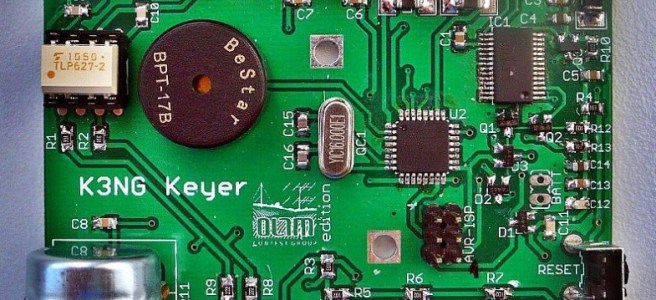
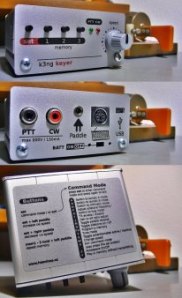
Open source enables collaboration. I had to put considerable time into developing a specific feature on my open source Arduino keyer project. If I would have had the source for a logging program that implemented this particular protocol, it would have saved me much time in developing this feature, or I could have even written and contributed a module for a logging program to implement the feature rather than having to write what I did for the Arduino in a roundabout way. Arguably the Internet wouldn’t be what it is today, or perhaps not even exist, without open source software and the collaboration it creates. Undoubtedly amateur radio has missed out on some collaborative opportunities over the years due to a lack of open source software.
I think it’s time for amateur radio freeware authors to take their commitment to the community a step further, embrace what became popular in the mainstream software development world two decades ago and open source their code for a long term benefit to amateur radio.










 Radio Artisan